

服務熱線


不銹鋼外殼加工的質量控制與檢測標準
發布時間:2026-06-24 來源:http://www.jinwei-china.com/ 瀏覽量:
不銹鋼外殼加工的質量控制是確保產品性能和使用壽命的關鍵環節。嚴格的質量控制體系和的檢測標準可以保證不銹鋼外殼在尺寸精度、表面質量、機械性能和耐腐蝕性等方面達到設計要求。
The quality control of stainless steel shell processing is a key link to ensure product performance and service life. A strict quality control system and comprehensive testing standards can ensure that the stainless steel casing meets the design requirements in terms of dimensional accuracy, surface quality, mechanical properties, and corrosion resistance.
材料質量控制是不銹鋼外殼加工的首要環節。原材料的質量直接影響終產品的性能。在加工前,需要對不銹鋼原材料進行嚴格的檢驗,包括化學成分分析、力學性能測試和表面質量檢查。常用的檢測方法有光譜分析、拉伸試驗、硬度測試和表面缺陷檢測等。只有符合標準的不銹鋼材料才能進入加工流程。此外,材料的儲存和運輸也需要控制,避免材料在儲存過程中受到污染或損傷。
Material quality control is the primary step in the processing of stainless steel shells. The quality of raw materials directly affects the performance of the final product. Before processing, strict inspection of stainless steel raw materials is required, including chemical composition analysis, mechanical property testing, and surface quality inspection. The commonly used detection methods include spectral analysis, tensile testing, hardness testing, and surface defect detection. Only stainless steel materials that meet the standards can enter the processing flow. In addition, the storage and transportation of materials also need to be controlled to avoid contamination or damage during storage.
加工過程質量控制是確保不銹鋼外殼質量的核心環節。在加工過程中,需要對各個工序進行實時監控和檢驗,及時發現并糾正質量問題。切割工序需要檢查切割精度、切口質量和熱影響區;成型工序需要檢查折彎角度、尺寸精度和表面平整度;焊接工序需要檢查焊縫質量、焊接強度和變形情況;表面處理工序需要檢查表面粗糙度、顏色均勻性和耐腐蝕性能。現代加工企業通常采用在線檢測系統,實時監控加工參數和產品質量,確保加工過程穩定可控。
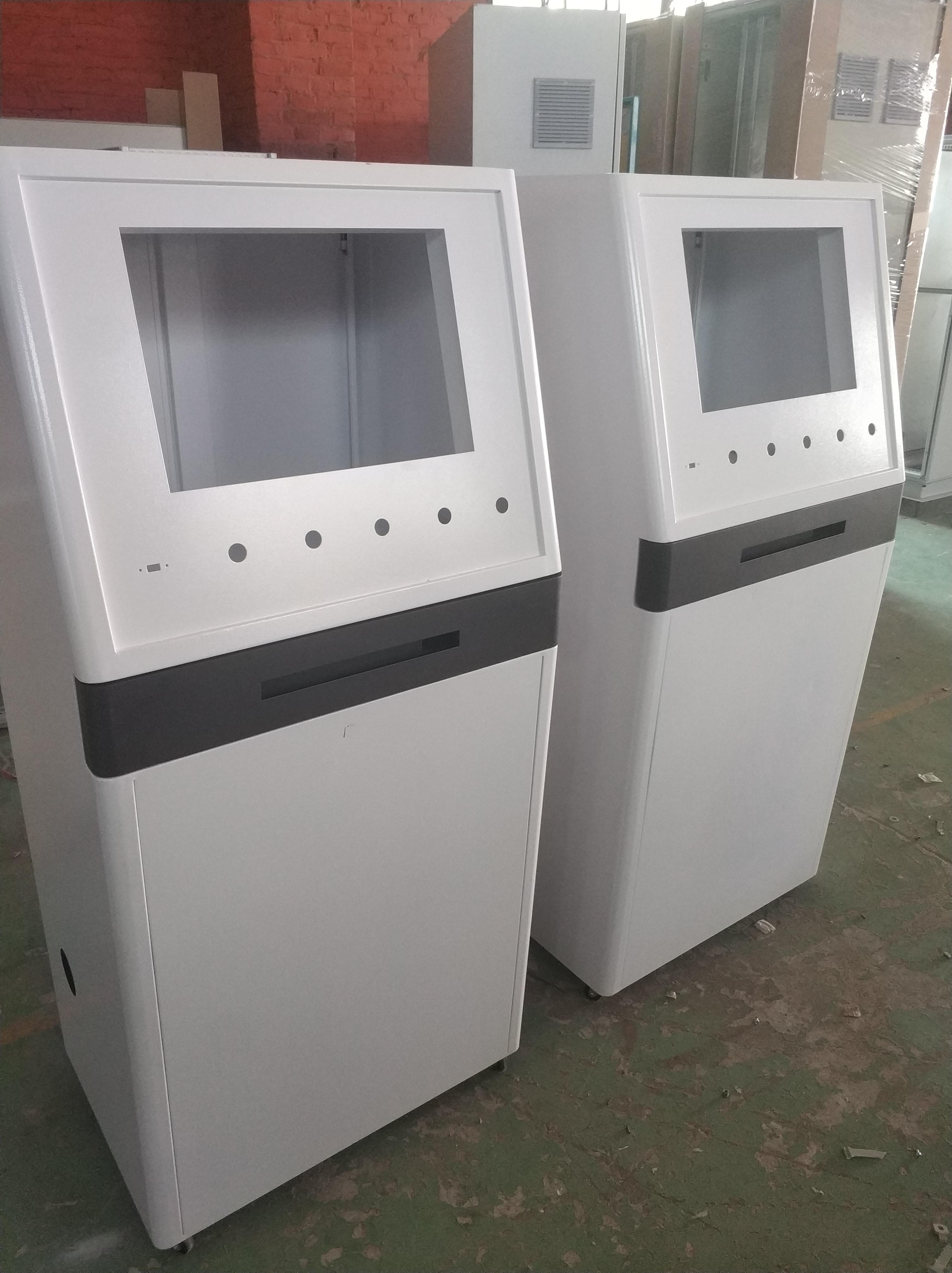
The quality control of the processing process is the core link to ensure the quality of the stainless steel shell. During the processing, real-time monitoring and inspection of each process are required to promptly identify and correct quality issues. The cutting process requires checking the cutting accuracy, incision quality, and heat affected zone; The forming process requires checking the bending angle, dimensional accuracy, and surface flatness; The welding process requires inspection of the quality, strength, and deformation of the weld seam; The surface treatment process requires checking the surface roughness, color uniformity, and corrosion resistance. Modern processing enterprises usually adopt online detection systems to monitor processing parameters and product quality in real time, ensuring stable and controllable processing processes.
尺寸精度控制是不銹鋼外殼加工的重要指標。不銹鋼外殼的尺寸精度直接影響其與其他部件的裝配性能和整體結構強度。常用的尺寸檢測方法有尺寸測量、形位公差檢測和裝配間隙檢測等。三坐標測量機是現代尺寸檢測的主要設備,可以精確測量工件的各項尺寸參數,精度可達±0.01mm。此外,光學測量設備如激光掃描儀和視覺測量系統也被廣泛應用,可以快速獲取工件的尺寸信息,提高檢測效率。
Dimensional accuracy control is an important indicator for stainless steel shell processing. The dimensional accuracy of stainless steel casing directly affects its assembly performance with other components and overall structural strength. The commonly used size detection methods include size measurement, form and position tolerance detection, and assembly gap detection. Three coordinate measuring machine is the main equipment for modern dimension detection, which can accurately measure various dimensional parameters of workpieces with an accuracy of ± 0.01mm. In addition, optical measurement equipment such as laser scanners and visual measurement systems are widely used to quickly obtain dimensional information of workpieces and improve detection efficiency.
表面質量控制是影響不銹鋼外殼外觀和使用壽命的重要因素。不銹鋼外殼的表面質量包括表面粗糙度、光澤度、顏色均勻性和無明顯缺陷等。常用的表面檢測方法有目視檢查、粗糙度測量和光澤度測量等。現代表面質量檢測系統通常采用光學成像技術,可以自動檢測表面缺陷,如劃痕、凹陷、色差等。此外,表面耐腐蝕性能測試也是表面質量控制的重要環節,鹽霧試驗和循環腐蝕試驗是常用的檢測方法。
Surface quality control is an important factor affecting the appearance and service life of stainless steel shells. The surface quality of stainless steel casing includes surface roughness, glossiness, color uniformity, and absence of obvious defects. Common surface inspection methods include visual inspection, roughness measurement, and glossiness measurement. Modern surface quality inspection systems typically use optical imaging technology to automatically detect surface defects such as scratches, dents, color differences, etc. In addition, surface corrosion resistance testing is also an important part of surface quality control, and salt spray testing and cyclic corrosion testing are commonly used detection methods.
機械性能測試是評估不銹鋼外殼承載能力和耐久性的關鍵。機械性能測試包括拉伸試驗、彎曲試驗、沖擊試驗和硬度測試等。這些測試可以評估不銹鋼外殼的強度、塑性、韌性和硬度等機械性能。機械性能測試通常在專門的材料試驗機上進行,需要按照相關標準進行測試和結果分析。只有機械性能符合要求的不銹鋼外殼才能投入使用。
Mechanical performance testing is crucial for evaluating the load-bearing capacity and durability of stainless steel casings. Mechanical performance testing includes tensile testing, bending testing, impact testing, and hardness testing. These tests can evaluate the mechanical properties such as strength, plasticity, toughness, and hardness of stainless steel shells. Mechanical performance testing is usually conducted on specialized material testing machines and requires testing and result analysis in accordance with relevant standards. Only stainless steel shells with mechanical properties that meet the requirements can be put into use.
熱門產品 / HOT PRODUCT
新聞 / NEWS RECOMMENDATIONS

 TEL:0531-69922480 18866409905
 EMAIL:jntyhc@163.com
 公司地址:濟南市槐蔭區經十西路3788號
 備案號:魯ICP備09028695號-3
魯公網安備37010402441282號
備案號:魯ICP備09028695號-3
魯公網安備37010402441282號
 首頁
首頁 產品
產品 電話
電話 置頂
置頂